شلة
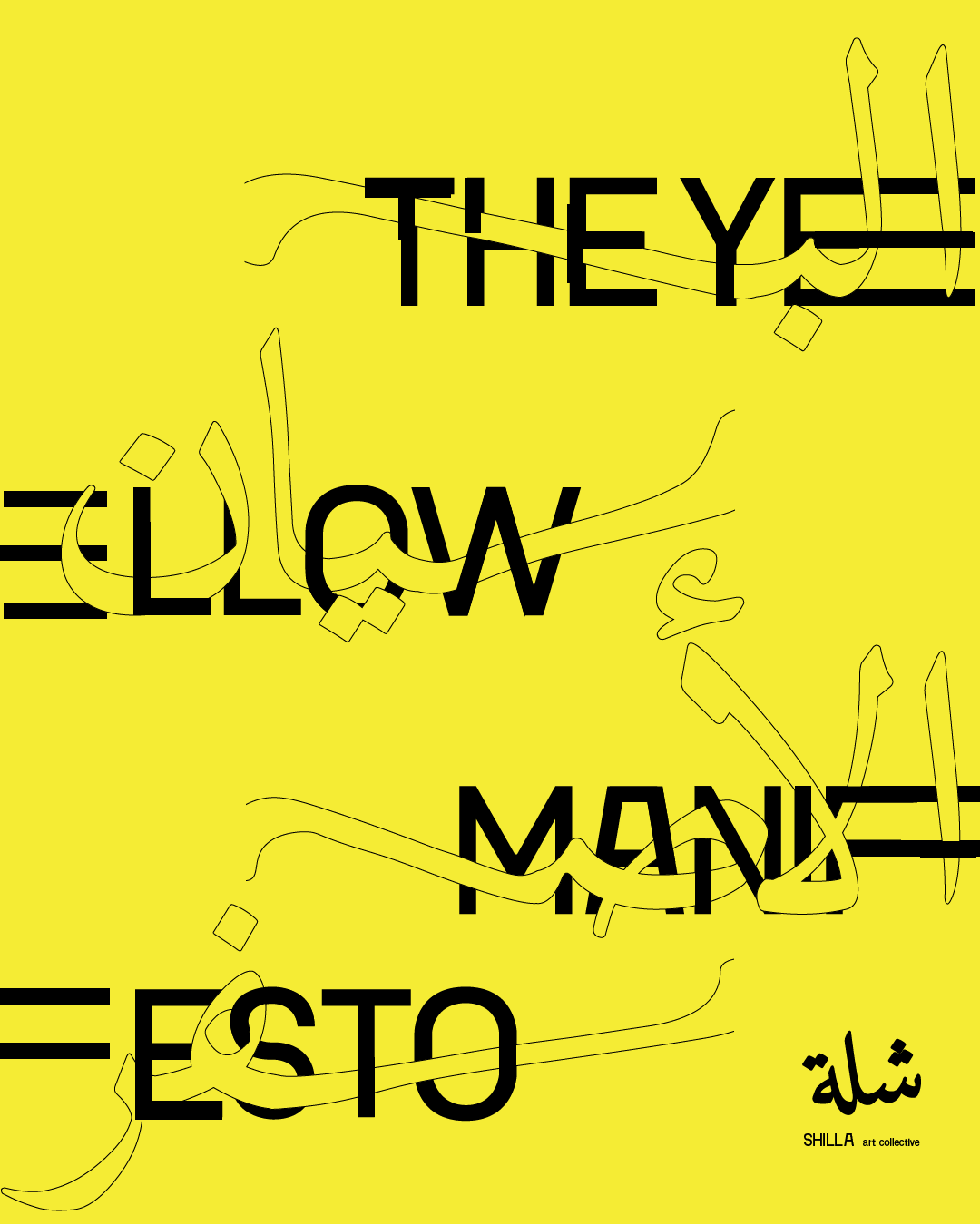
البيان الأصفر
شلة فن بيان رقم(صفر)
٢٦/٧/٢٠٢٥ نيروبي,كينيا
هﺎﻫﻲ ﺍﻻﺭﺽ ﺗﻐﻄﺖ ﺑﺎﻟﺘﻌﺐ ..
ﻭﺍﻟﺒﺤﺎﺭ ﺍﺗﺨﺬﺕ ﺷﻜﻞ ﺍﻟﻔﺮﺍﻍ ..
ﻭﺃﻧﺎ ﻣﻘﻴﺎﺱ ﺭﺳﻢ ﻟﻠﺘﻮﺍﺻﻞ ﻭﺍﻟﺮﺣﻴﻞ ..
ﺃﻧﺎ ﺍﻵﻥ ﺍﻟﺘﺮﻗﺐ .. ﻭﺍﻧﺘﻈﺎﺭ ﺍﻟﻤﺴﺘﺤﻴﻞ ..
كلمات الشاعر محمد عبد الله شمو
في قلب نيروبي، وتحت سماء مجهولة الاسم، وجدت مجموعة من الفنانين والفنانات السودانيين/ات أنفسهم/ن في منفى حرب الخامس عشر من أبريل. ومن تحت رماد تلك الكارثة، وُلدت "شُـلة" — كأثرٍ استُنبت من الرماد قسرًا، وارتوى فنيًّا، ليصبح بذرةً لتجربة فنية سودانية جديدة: تجربة حرّة، فضولية، وتعاونية."شُـلة" ليست مجموعة عابرة، بل محاولة حارّة وصادقة لإعادة صياغة أشكال التنظيم الفني في ظروف استثنائية. إنها فعل مقاومة، وبيتٌ مفتوح، ومساحة جماعية تنمو بالحوار، وتتحرك بشغف الاكتشاف، وتنفتح على ما يُمكن للفن أن يكون.
عن السياق
في سياق المنفى، بعيدًا عن الخرطوم، وفي مشهد فني جديد، وجدت "شُـلة" نفسها في مواجهة مع فضاء مجهول يُثير غريزتها، ويدفعها إلى مساءلة ذاتها وإنتاجها الفني، من خلال الانفتاح على تجارب الآخرين ومقارباتهم المختلفة للفن والعمل الثقافي, وقد تميّزت البيئة الفنية في نيروبي، رغم تنوّعها، بهياكل تنظيمية واضحة تستند إلى العمل التعاوني، ولا سيّما من خلال ما يُعرف عالميًا بـ ؤ"Art Collectives".وعند نقل هذا المصطلح إلى اللغة العربية، غالبًا ما يُترجَم إلى "تجمّع فني" — وهي ترجمة وصفية تفتقر إلى الإحاطة بالحمولة البنيوية والوظيفية والعَلائقيّة الكامنة في المفهوم الأصلي. فمصطلح "تجمّع" يُحيل إلى اجتماع عددي لأكثر من ثلاثة أفراد، دون أن يُعبّر بالضرورة عن طبيعة العلاقة بينهم، أو بنيتهم التنظيمية، أو أهدافهم المشتركة, وهو أيضًا توصيف ساكن، لا يحمل دلالات الفعل والتراكم التاريخي، ولا يُبرز الجوانب الديناميكية التي يُفترض أن تُشكّل جوهر أي "Art Collective".وقد يُقترح بديلًا اصطلاح "تعاونية فنية"، وهو أكثر قربًا من الواقع الوظيفي للمفهوم، إذ يُشير إلى علاقة نفعية ذات طابع إنتاجي يحمل مدلول زمني ، ويُعبّر عن انخراط متبادل في مشروع فني طويل الأمد. ومع ذلك، يظل هذا المصطلح محمّلًا بإيحاءات اقتصادية ـ خاصة في السياق السوداني ـ حيث تُفهم "التعاونيات" تاريخيًا بوصفها كيانات تُؤسَّس لأغراض مادية مباشرة. وهكذا، يفقد المصطلح قدرته على التعبير عن البعد الإنساني والوجداني الذي يُميّز "Art Collective"، ويفشل في التقاط الروابط الاجتماعية والثقافية بين أفراده. .ومن هذا النقص الدلالي ينطلق مقترح "شُـلة" كمصطلح فني وثقافي بديل؛ إذ تشير الكلمة، لغويًا، إلى جماعة من الأصدقاء، وهو ما يُرسّخ منذ البداية الطابع الاجتماعي–الوجداني لهذا التجمّع الفني, من هنا، تتقدّم "شِلّة" كمقترح اصطلاحي ولغوي لا يقتصر على الوصف العددي، بل يعكس طبيعة العلاقة الاجتماعية بين الأعضاء.
ففي الاستخدام اللغوي، تُشير "شُـلة" إلى مجموعة من الأصدقاء أو الأفراد المتقاربين وجدانيًا، حيث لا يكون الرابط بينهم مجرّد هدف أو مشروع محدّد، بل شبكة من الروابط المعرفية، الثقافية، والفنية، التي تُغذّيها رغبة مشتركة في التغيير أو استكشاف الممكن.إن اختيار هذا اللفظ لا يعكس فقط واقع تكوُّن التجمّع، بل يُعبّر عن تصوّر فلسفي للعمل الفني بوصفه امتدادًا للعلاقات الإنسانية، ونتاجًا للثقة المتبادلة والانتماء غير المشروط.
كما أن الكلمة تحتمل في معانيها المجازية صورة "زمرة من الخيوط المتشابكة" — في إشارة إلى التداخل، والتكامل، والوحدة التي تُبنى رغم التنوّع والتباين بين أفرادها.ويُضفي استخدامها الشائع في الثقافة السودانية عليها بُعدًا وجدانيًا خاصًا، إذ تُعبّر عن التضامن، والمودّة، والشعور بالانتماء غير المشروط — وهي جميعها عناصر تُشكّل البنية التحتية لهذا المشروع التعاوني.وبذلك، فإن "شُـلة" ليست مجرّد تحايل لغوي على عجز الترجمة، بل هي ممارسة نقدية لغوية ووجودية في آنٍ معًا؛ تحاول من خلالها المجموعة المؤسسة أن تخلق مساحة تحمل صوتها، وذاكرتها، وشكلها، دون أن تنفصل عن جذور الممارسة العالمية.هذه التسمية تُعبّر عن رفض لأطر التعريف الجاهزة، وسعي لتوليد مصطلح يحمل في داخله بُعدًا شعريًا، اجتماعيًا، وتاريخيًا.
عن التعاون
لم يكن العمل التعاوني المنظّم طارئًا على الفضاء العام السوداني، بل ظلّ، عبر التاريخ السياسي والاجتماعي والثقافي الحديث، الركيزة الأهم في تشكيل أدوات المقاومة ضد الاستعمار والأنظمة القمعية, هذه الروح التعاونية المتجذّرة في التاريخ هي ما تنبع من دواخل "شِلّة" — فهي ليست خيارًا تنظيميًا عابرًا، بل سيرورة متّصلة بتاريخ طويل من الفعل الشعبي والممارسة الثقافية النضالية.وعند النظر إلى المسيرة الثقافية السودانية، نجدها متخمة بالحركات والمدارس الفنية والثقافية التي بُنيت على أسس العمل التعاوني: من اتحادات الفنانين، إلى جماعات الكتّاب والتشكيليين، وصولًا إلى المبادرات الشعبية الحديثة. "شُـلة"، إذ تنبت من هذا التراكم، لا تدّعي القطيعة مع الماضي، بل تبني عليه وتعيد تأويله في سياق معاصر، في منفى جديد، وبين إخوة وأخوات جدد.لقد أتاح المشهد الفني في نيروبي، بكل تنوّعه وروحه التعاونية، لـ"شِلّة" أن تعي من جديد أن العمل التعاوني ليس أداة ظرفية فقط، بل هو ضمان لاستمرارية الإبداع الفني وتطوّره، خصوصًا في زمن يتقاطع فيه القمع السياسي مع انسداد الأفق الثقافي، وتزداد فيه الحاجة إلى الفن بوصفه ضرورة.
عن العزلة
في جوهره، يرتبط العمل الفني بفردانية الفنان/ة — فهو الحالم، والحاكم، وهو من يصوغ من تفاصيل تجربته الإنسانية شكلًا من أشكال التعبير الجمالي.لكن لطالما اتّسمت التجربة الفنية السودانية الحديثة — لأسباب تاريخية، وسياسية، وثقافية معقّدة — بنزعة شجّعت على فردانية الفنان وتجربته الخاصة، وأضعفت البعد التعاوني في العملية الإنتاجية, وقد ترتّب على هذه الفردانية عزلة اجتماعية وتهميش مؤسسي للفنان/ة، حتى باتت العملية الفنية حبيسة الذات، و منغلقة على التجربة الفردية كمسار وحيد للإنتاج.هذه الفردانية لم تكن رفضًا مطلقًا للخارج، بل شكّلت، في كثير من الأحيان، ردَّ فعل لواقع تراجعت فيه البُنى الحاضنة للفن: من فضاءات للعرض، ومؤسسات للنقد، وتقاليد للحوار الفني. وهكذا، لم تعد الفردانية اختيارًا حرًّا بل واقعًا إنتاجيًا قسريًا.ومع ذلك، لا تنفي "شُـلة" قيمة التجربة الذاتية للفنان/ة، بل تؤكّد على ضرورة الاعتراف بها وترسيخها، لا من خلال الانعزال، بل عبر الحوار النقدي المستمر, فالفن لا ينفصل عن سياقه، والشخصية الفنية لا تتكوّن في الفراغ، بل تُصقَل في التفاعل مع الآخر.ترى "شِلّة" أن الإنتاج الفني ينبغي أن يُفهَم بوصفه مسارًا حواريًا — يبدأ من الذات، ويعود إليها عبر دوائر من التفاعل، والنقاش، والمساءلة, بهذا المعنى، لا تُهدَّد فرادة الفنان/ة، بل تُدعَّم، وتُضاء من زوايا متعددة، من خلال تبادل النظر والرؤية مع الآخرين/ات.
عن الممارسات
بعد ترسيخ المفاهيم التي تقوم عليها رؤية "شُـلة"، يصبح من الضروري أن تنعكس هذه الرؤية في الممارسة الفنية نفسها, فهذه التعاونية لا ترى في العملية الإبداعية فعلًا معزولًا، بل تعتبرها امتدادًا عضويًا للتجربة الإنسانية — لا تكتمل في عزلة، ولا تُنتج خارج علاقات الحوار والتبادل.من هذا المنطلق، تُبنى الممارسة الفنية في "شِلّة" على خطوط تشريعية تنبع من التجربة الذاتية للفنان/ة، ومن معتقداته/ا الثقافية والوجدانية، فتُنتج أعمالًا تعبّر عن وجوده/ا, غير أن هذا التعبير لا يُختَتم بمجرد إنتاج العمل الفني؛ بل يُفتح على حوارات ونقاشات تُسائل العمل وتعيد صياغة معناه، ناقلةً إياه من فضاء فردي إلى أثر اجتماعي وثقافي جماعي.أن العملية الإبداعية لا تنتهي عند عتبة الاستوديو، بل تستمر بوصفها علاقة متبادلة بين الفنان/ة والآخرين/ات, وفي هذا الامتداد، يتجلّى دور التنسيق الفني كمكوّن أصيل من مكوّنات العملية الفنية، لا كوظيفة تقنية منفصلة، بل كجزء من نسيج تعاوني.ومع أن التنسيق الفني قد يبدو كمرحلة مفصولة عن العملية الإبداعية، إلا أن الواقع السوداني، نتيجة لتهميش مؤسسي طويل، ساهم في ترسيخ هذا الفصل، مما جعل العملية الفنية تنقسم بين "الفنان" و"المنسق الفني". هذا الانقسام لم يُضعف فقط البعد الاجتماعي والإنتاجي للفن، بل ساهم أيضًا في تهميش أثره الثقافي، مما جعل الفن في كثير من الأحيان تجربة منغلقة على الذات.لكن "شِلّة" ترفض هذا الفصل، وتُعيد فهم التنسيق الفني كممارسة ديمقراطية وتعاونية، غير منفصلة عن مجمل الفعل الإبداعي, في ذلك، ترفض التقسيمات البنيوية الجامدة، وتُعيد صياغة العملية الإنتاجية كحوار مستمر بين فردانية الفنان/ة، والبيئة الاجتماعية والثقافية المحيطة به/ا.ترى "شِلّة" في هذه الممارسة المشتركة فعلًا وجدانيًا عميقًا، أساسه التعاون الإنساني، والانفتاح، والرغبة في تكوين تجربة فنية تعاونية دون أن تمحو الفروق الفردية، بل تُنيرها من خلال التبادل، والتفاعل، والحوار، وتحقيق معنى الإنتاج الفني كعلاقة متكاملة بين الإنسان، والمجتمع، والذاكرة، والرغبة في قول شيء صادق، ومشترك، وحرّ.
"شُـلة" ليست مبادرة ، بل ممارسة.
هي بيت مفتوح للتجريب، وفضاء يتكوّن ويتطوّر بالحوار والعمل المشترك.
لا نقدّم تعريفًا نهائيًا لها — بل نمارسها ونكتبها معًا.
كما يولد الفن من عدم، تولد "شُـلة" من الحاجة، وتتشكل من قلق السؤال، ومن بهجة اللقاء، ومن تجارب المبدعين/ات في الهامش والمركز، في الداخل والمنفى، في الفقد، وفي الحنين.
الموقعون
اماني أزهري
حراء حسن
حذيفة صديق
محمد الوراق
سناد شريف
وليد محمد
يثرب حسن
شلة
yellow the manifesto
SHILLA ART COLLECTIVE, MANIFSTO (0) 26/7/2025
In the heart of Nairobi, beneath an unnamed sky, a group of Sudanese artists found themselves exiled by the war of April 15th. Out of the ashes of that catastrophe, “Shilla” emerged — a form compelled into existence, nourished by artistic urgency, and grown into the seed of a new Sudanese artistic experiment: one that is free, curious, and collaborative.“Shilla” is not a passing formation; it is a fervent and sincere attempt to reimagine modes of artistic organization under exceptional circumstances. It is an act of resistance, an open house, and a shared space animated by dialogue, driven by the thrill of discovery, and attuned to the boundless possibilities of art.
on Context
In the context of exile, far from Khartoum, and within an unfamiliar artistic landscape, “Shilla” found itself confronted with an unknown space — one that stirred its instincts and compelled it to question itself and its creative process, through openness to the experiences and approaches of
others in art and cultural work.Nairobi’s artistic scene, despite its diversity, is marked by clear organizational structures rooted in collaborative practice — especially through what is globally known as “art collectives.”Yet when this term is translated into Arabic, it is often rendered as “tajammu‘ fanī(تجمع فني )” (art group) — a descriptive phrase that fails to capture the structural, functional, and relational weight of the original concept. “Tajammu‘” merely implies the numerical presence of three or more individuals, without reflecting the nature of the relationships between them, their organizational fabric, or their shared objectives.It is also a static term — devoid of the connotations of action, historical accumulation, and the dynamic qualities that are meant to define the essence of an art collective.One might suggest instead the term “ta‘āwuniyya fanīya)” (artistic cooperative), which aligns more closely with the functional reality of the concept. It suggests a productive relationship, with temporal continuity and mutual investment in a long-term artistic endeavor.However, even this term remains burdened by economic overtones — particularly in the Sudanese context, where “cooperatives” have historically been understood as materially driven entities. In this way, the term loses its ability to express the emotional and human dimensions that distinguish an art collective, and fails to capture the social and cultural ties that bind its members together.It is out of this semantic gap that the term “Shilla” is proposed — a cultural and artistic alternative that carries emotional and conceptual weight. Linguistically, the word refers to a circle of close friends, which immediately affirms the affective and social nature of this artistic formation.“Shilla” is not merely a numerical label; it is a linguistic and philosophical proposal that reflects the quality of relational ties between members.In everyday usage, “Shilla” describes a group of emotionally bonded individuals whose connection is not based solely on a shared goal or fixed project, but rather on a meshwork of cultural, artistic, and intellectual relationships — nourished by a collective desire for change or for exploring new possibilities.
The selection of this word reflects not only the actual conditions that gave rise to the group, but also a vision of artistic practice as an extension of human relation — as something rooted in trust, mutual care, and unconditional belonging.Metaphorically, the word evokes the image of “a bundle of entangled threads” — a symbol of interweaving, integration, and cohesion, achieved despite difference and variation among its members.Within Sudanese cultural memory, “Shilla” also bears a strong emotional resonance: it expresses solidarity, affection, and a sense of belonging — all of which form the emotional and social infrastructure of this collaborative project.Thus, “Shilla” is not a linguistic workaround or poetic evasion of failed translation. It is both a linguistic and existential critique, a means by which the founding group seeks to carve out a space that bears their voice, memory, and form — without severing ties with global artistic practices.The term resists pre-packaged definitions and attempts instead to generate a concept imbued with poetic, social, and historical charge.
At the same time, “Shilla” serves as a platform for collective artistic production. It does not negate the individual experience, but reframes it within a horizontal network of relations — grounded in dialogue, curiosity, and shared making.
On Collaboration
Organized collaboration has never been a foreign concept to Sudanese public life; rather, it has long been a cornerstone of resistance — politically, socially, and culturally — against colonialism and oppressive regimes.It is this deeply rooted spirit of cooperation that animates “Shilla” from within. Collaboration, for Shilla, is not a fleeting organizational choice but a continuation of a long historical trajectory of popular action and cultural resistance.Sudan’s cultural history is dense with artistic and intellectual movements grounded in collective labor: from artists’ unions, to literary and visual art circles, to contemporary grassroots initiatives.“Shilla,” growing out of this lineage, does not seek to break from the past. Instead, it builds upon it — reinterpreting it within a contemporary context, a new exile, and among new comrades and companions.Nairobi’s artistic landscape, with its diversity and cooperative ethos, has reawakened in Shilla a deep conviction: that collaborative work is not a circumstantial tool, but a necessary condition for the continuity and evolution of artistic creation — especially in a time where political repression coincides with cultural stagnation, and the need for art becomes more vital than ever.
On Isolation
At its core, artistic work is bound to the individuality of the artist — it is they who dream, who judge, who shape the nuances of their human experience into a form of artistic expression.
Yet modern Sudanese artistic practice has long been marked — due to complex historical, political, and cultural forces — by an entrenched individualism that has diminished the collaborative dimension of the artistic process.This individualism has led to social isolation and institutional marginalization of the artist, rendering the artistic process confined to the self, closed off to the individual experience as the sole path of production.Such individualism was not merely a rejection of the external world, but often a reaction to a reality in which the support structures of art had deteriorated: exhibition spaces, critical institutions, traditions of artistic
dialogue.
In this context, individualism ceased to be a free choice and became instead a coercive condition of production.Still, “Shilla” does not deny the value of the artist’s individual experience. Rather, it insists on recognizing and deepening that experience — not through withdrawal, but through sustained critical dialogue.Art does not exist in isolation from its context. The artistic self does not arise in a vacuum, but is refined through interaction with others and through the questions posed by the work itself.“Shilla” views artistic production as a dialogical path — one that begins from the self and returns to it, mediated by cycles of interaction, discussion, and reflection.In this way, the individuality of the artist is not threatened but enriched — illuminated from multiple angles through shared looking, mutual interpretation, and artistic exchange.
On Practice
Once the foundational concepts of Shilla’s vision are established, it becomes essential that this vision be reflected in artistic practice itself.This cooperative does not view the creative process as an isolated act, but as an organic extension of human experience — one that cannot be fulfilled in solitude, nor produced outside relationships of dialogue and exchange.From this perspective, artistic practice within Shilla is shaped by guiding principles rooted in the artist’s subjective experience and cultural-emotional commitments — producing works that express their existence.Yet this expression is not concluded with the production of the artwork; rather, it opens into conversations and dialogues that interrogate the work, reframe its meaning, and shift it from a personal space into a collective social and cultural impact.Shilla sees the creative process as one that does not end at the studio’s threshold. It continues as a reciprocal relationship between the artist and others.Within this extension, the role of artistic coordination emerges as a fundamental component of the creative process — not as a detached technical function, but as part of a collaborative fabric managed by the group in a spirit of participation.Although artistic coordination may appear, especially in the Sudanese context, as a separate stage — due to long-standing institutional marginalization — this separation has weakened the social and productive dimensions of art, diminishing its cultural impact and rendering artistic work, in many cases, a closed-off experience.Shilla rejects this separation, instead reclaiming coordination as a democratic and collaborative practice, inseparable from the broader act of creation.In doing so, it resists rigid structural divisions and reimagines artistic production as an ongoing dialogue between the individuality of the artist and the surrounding cultural and social environment.Shilla regards this shared practice as a deeply emotional act — rooted in human collaboration, openness, and the desire to form a collective artistic experience that does not erase individual differences, but illuminates them through exchange, interaction, and dialogue.In this way, artistic production is realized as a holistic relationship between human beings, society, memory, and the desire to say something honest, shared, and free.
Members
Amani Azhari
heraa hassan
Hozaifa Elsiddig
Mohamed Wraag
Sannad Shreef
Waleed Mohammed
Yathrip Hassan